Fraud is the fastest-growing form of organised crime. Is your company ready?
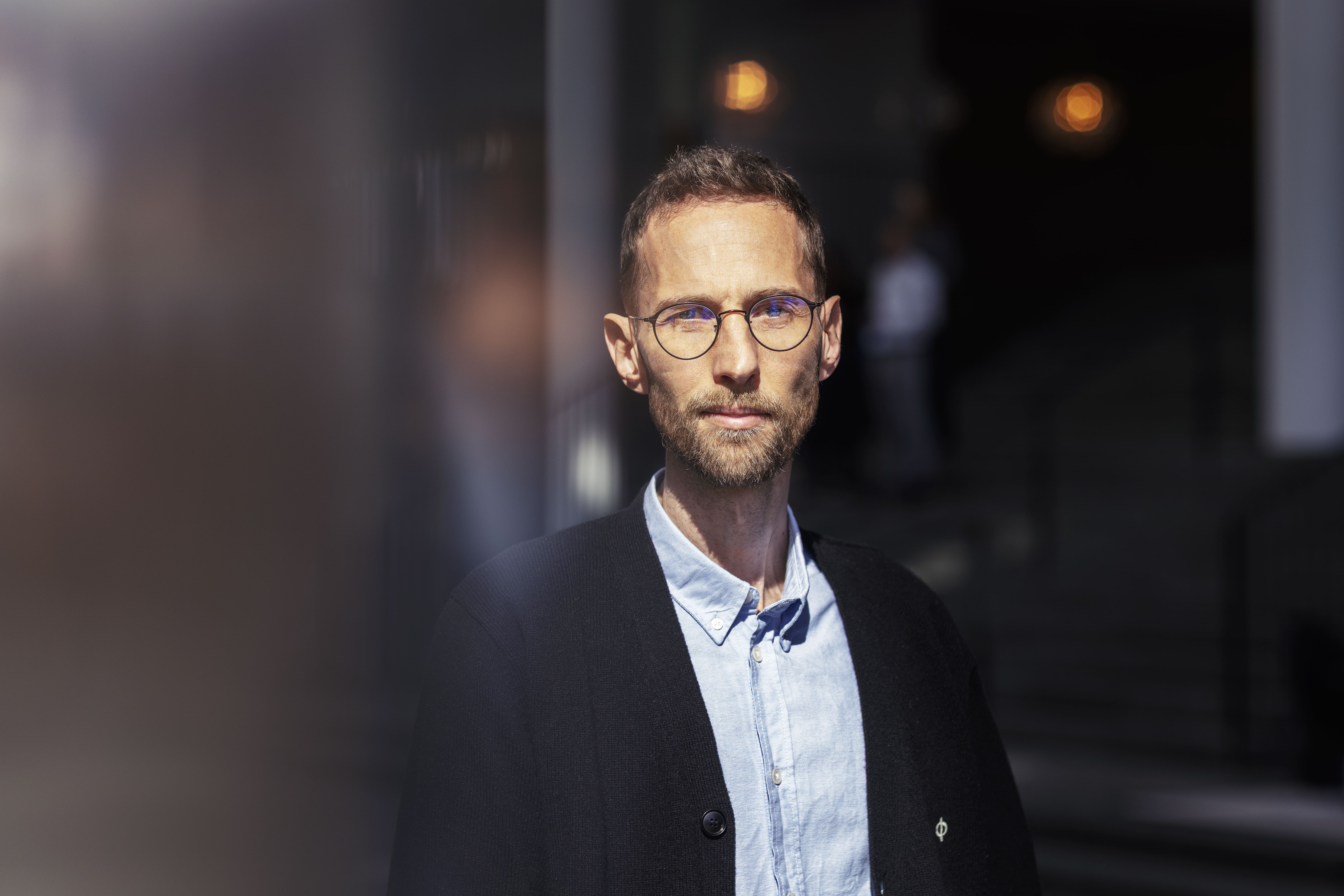
Lasse Karner, Fraud Prevention Expert at Nordea Denmark, explains why fraud prevention is a board-level responsibility, not just a finance issue, and how to build the processes and culture to stay ahead.
Lasse Karner, Fraud Prevention Expert, Nordea Denmark, argues that fraud prevention is not a finance department issue – it is a board responsibility that runs from the top of the organisation to the frontline.
Today, fraud is the fastest-growing form of organised crime worldwide. For companies, this means looking beyond financial losses. You also need to consider the impact of fraud on your reputation, trust in your company and day-to-day operations.
Fraud is not only growing in scale – it is also becoming increasingly sophisticated. This applies to both the technological tools being used and the psychological manipulation that fraudsters are remarkably adept. They exploit human nature, impersonate CEOs and create a sense of urgency. And fraud can take many forms such as fake invoices, deepfake videos or emails containing malware that can lead to serious ransomware attacks. The list is long – and it is getting longer.
Everyone is at risk – but not everyone is equally prepared
This is relevant to companies of all sizes. Our data shows that fraud affects everyone. Large companies may have more money in their accounts, but smaller companies often lack the processes, systems and awareness needed to deal with increasingly sophisticated attacks.
Fraud prevention matters across the entire organisation – from owners and board members to senior management and frontline employees. Senior management, customer-facing staff and anyone handling payments or sensitive information require particular attention.
The board's role – controls, culture and clarity
The board should not manage day-to-day fraud controls. But it must ensure that the company has robust processes, clear roles and a culture where it is legitimate – and safe – to pause and question something that does not feel right.
That means putting practical safeguards in place such as dual approval for payments, clear procedures for changes to account details and verification routines that remain effective under pressure. It also means asking the right questions: When were these processes last tested? What did the test show?
Three pieces of advice
- Know the risk
Who in your company is exposed? Which processes are the weakest? Which systems need closer attention? If you do not understand the threat, you cannot protect your company against it.
- Never underestimate the human factor
Employees are on the front line. Train your staff in the most common fraud scenarios relevant to your business, and make it easy for them to report suspicions without hesitation. This must be an ongoing process.
- Upgrade and update your systems
Technology is not a substitute for human vigilance, but it is an indispensable layer of defence. When people, processes and technology work together, you have a strong chain. But if there is a weak spot anywhere, fraudsters will find it.
Want to hear more from Lasse Karner?
Watch the full conversation (5 min) on Boardway Academy – sign up for free to get access.
.jpg)

